Understanding Terminology Correctly

ADSORPTION AND ABSORPTION:
These two terms, which are quite similar, are often confused, but their physical and chemical processes and mechanisms differ. To gain a proper understanding of the terminology and explore the applications of these concepts in bioengineering, you can read this article.
Although absorption and adsorption are different processes, both are forms of sorption. Sorption is a general term for the physical and chemical processes that occur when a substance is retained, taken up, or accumulated by another substance.
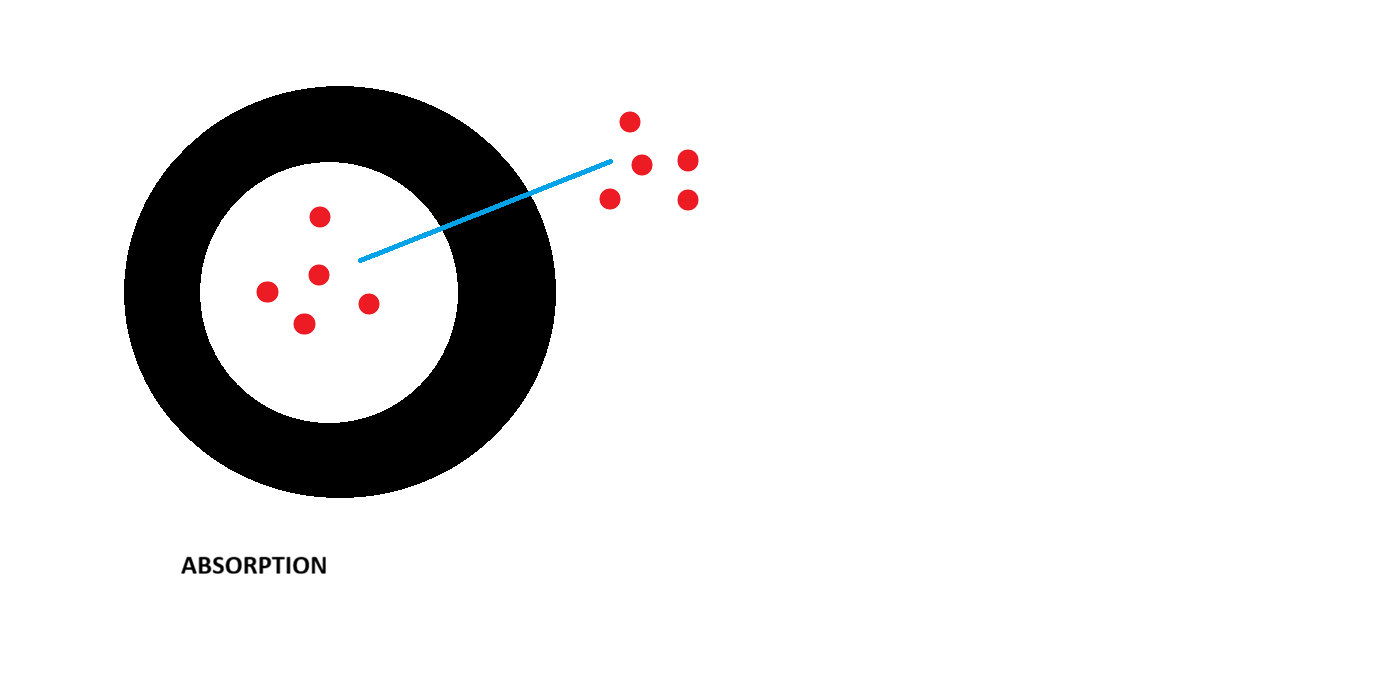
Absorption refers to the process of a substance entering the internal volume of another substance and dispersing there. In its most basic sense, it is the entry of a substance into the internal volume of another substance and its dispersion within it. In more scientific terms, this substance can be an atom, molecule, or ion, and absorption encompasses the entire process by which the substance enters the bulk phase of the absorbing material. For example, a sponge drawing water into itself—that is, absorbing it—is absorption. In absorption, particles dissolve or disperse within the other substance that is absorbing them.
Adsorption = The units of a substance (atoms, molecules, ions) do not penetrate into another substance; instead, they adhere to or accumulate on the substance’s outer surface. In other words, it is a surface phenomenon. The material or substrate to which chemicals bind and adhere is called the adsorbent. The term “adsorbate” refers to the atom, molecule, or ion that binds to the surface. Since energy is released during the process of the substance adhering to the surface, adsorption is typically exothermic.
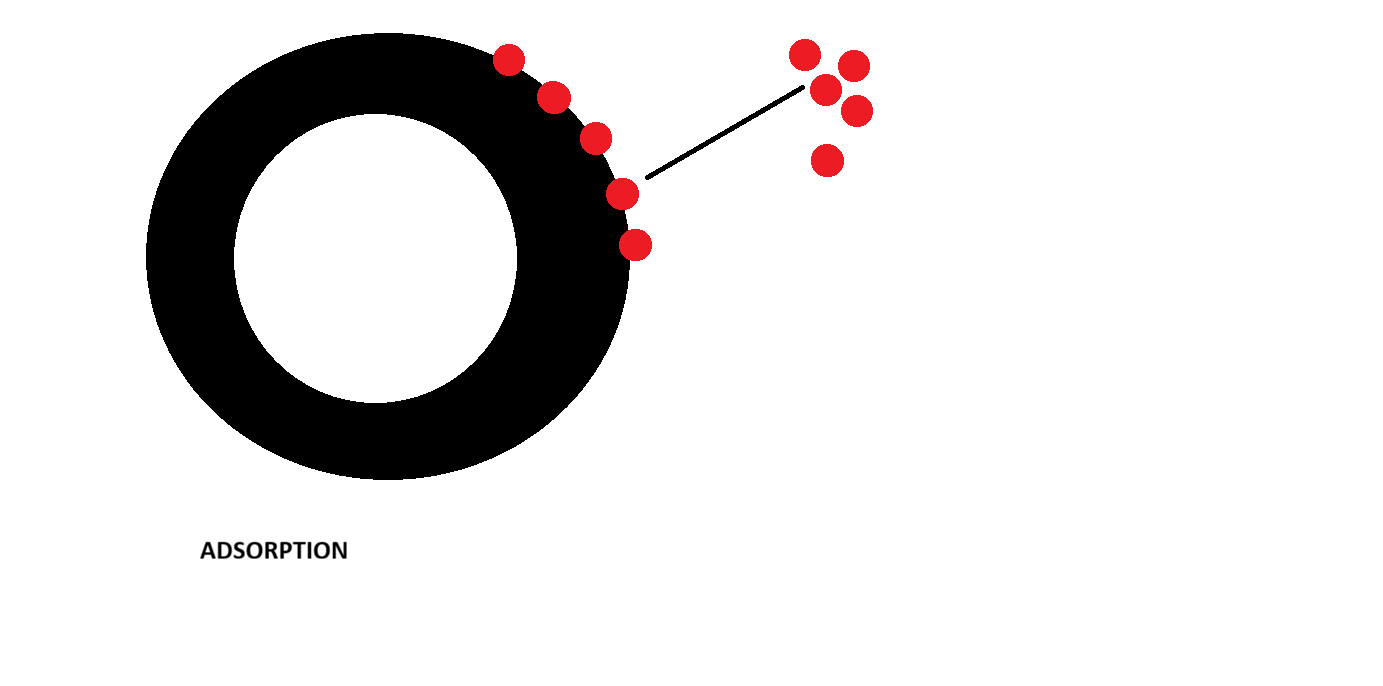
The adsorption rate varies depending on temperature and surface area; for example, lower temperatures increase adsorption capacity. This is because, as temperature increases, kinetic energy increases; when energy increases, molecules adsorbed onto the surface during adsorption will begin to detach from the surface (desorption). The desorption rate will increase. Additionally, since adsorption is a surface phenomenon, an increase in surface area will lead to increased adsorption. For this reason, adsorbents are designed to be porous and to maximize surface area. For example, it is well known that nanomaterials are effective adsorbents because they have a very high surface area-to-volume ratio.
Desorption = The process by which substances adsorbed onto a surface detach from the surface and return to their original location or phase. From this perspective, we can say that desorption is the reverse of adsorption. Desorption and adsorption together establish an equilibrium. Under certain conditions, both of these processes can occur simultaneously on a surface.
ADSORPTION AND DESORPTION IN CHROMATOGRAPHY:
Chromatography, an analytical technique, is used to separate the different components in mixtures. The basic components of chromatography are the mixture to be separated, the mobile phase, and the stationary phase. The basic principle involves the mixture and the mobile phase flowing over a stationary phase, causing the components to separate based on their affinity for these two phases. This method can be used to determine the purity and efficacy of drugs, detect contaminants in seawater, and facilitate disease diagnosis and the discovery of new biomarkers.
The separation phase of the chromatography technique utilized takes advantage of the distinctive properties of the components, such as their molecular weights, affinities, charges, polarities, and hydrophobicity. Thanks to these distinctive properties, some components of the mixture in chromatography move faster while others move slower.
This difference in rates enables the separation of the components. In adsorption chromatography, in particular, the separation process occurs as molecules are adsorbed onto the stationary phase and then desorbed and carried along by the mobile phase. Since different compounds have different adsorption and desorption tendencies, they move through the column at different rates and are thus separated from one another.
ADSORPTION CHROMATOGRAPHY:
In this method, materials such as silica, alumina, activated carbon, and coal are typically used as the stationary phase. The analytes undergo differential adsorption onto the solid stationary phase. Separation occurs because analytes adsorb to the stationary phase to varying degrees. This difference in adsorption stems from variations in interactions between the compounds and the stationary phase, such as electrostatic interactions, dipole-dipole interactions, and hydrogen bonds. Here, separation is based on the differential adsorption of analytes onto the solid stationary phase.
PHYSICAL, CHEMICAL, AND BIOLOGICAL ADSORPTION:
It is possible to classify the mechanisms of adsorption into physical and chemical subcategories. Essentially, the adsorbate binds to the surface through chemical or physical interactions, and these interactions determine the type of adsorption.
Physical adsorption (physisorption) = These are Van der Waals interactions between the adsorbent and the adsorbate (such as dipole-dipole or induced dipole-dipole interactions). These are reversible processes. Multiple layers may form.
Chemical adsorption (chemisorption) = During the binding of the adsorbate to the adsorbent, chemical bonds—typically covalent and ionic bonds—play a role. Therefore, it has a more selective binding capacity compared to physisorption. It occurs with high binding energy. Monolayer adsorption typically forms. Reversal is often difficult.
Bu iki adsorpsiyon olayı arasındaki temel fark, etkileşimin bağlanma enerjisi ve şekline göre değişiklik göstermesidir.
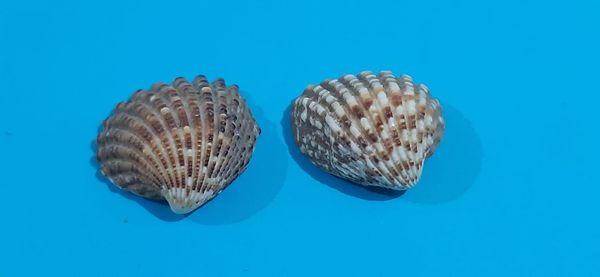
Biological Adsorption (Biosorption) = Biosorption is a physicochemical process that aims to remove unwanted substances from a solution or recover certain substances using dead or living biological materials. These materials can include a wide variety of substances; the most commonly used are agricultural waste, plant and microbial materials, seashells, and seaweed. These materials are called biosorbents. Biosorbents effectively retain molecules, ions, and various pollutants found in the environment on their surfaces.
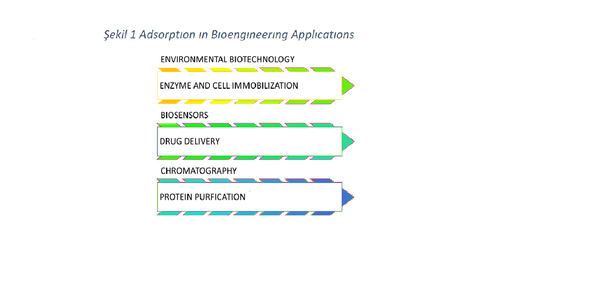
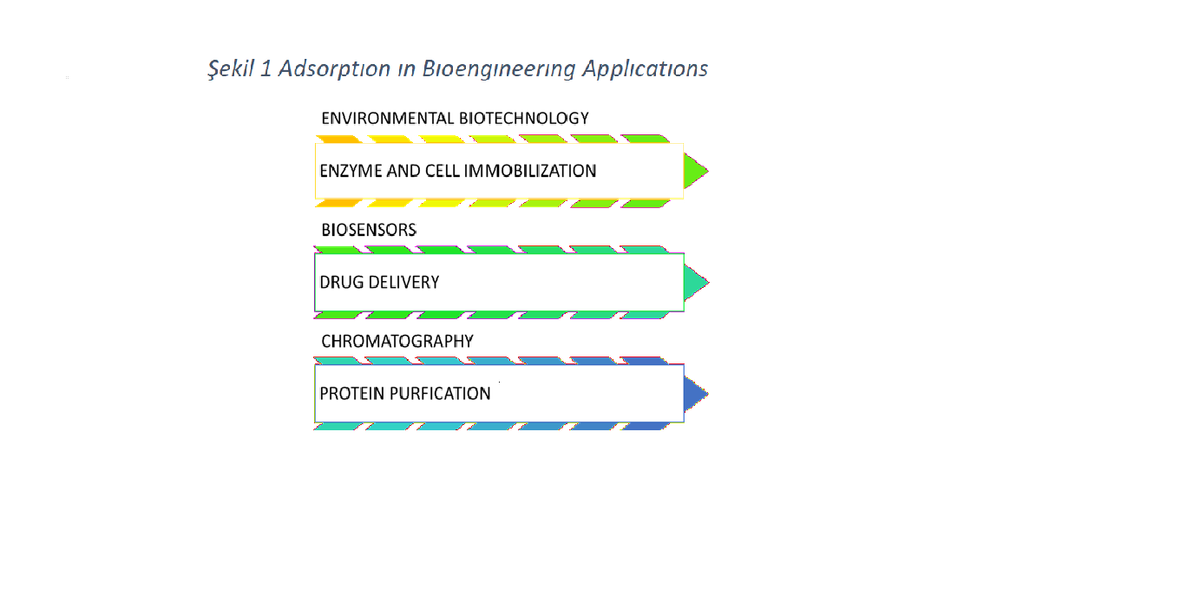
Biosorption is a biotechnological application process that involves interactions such as physical and chemical adsorption, complexation, ion exchange, and electrostatic interactions. In bioengineering, biosorption processes are frequently encountered in biological treatment processes for removing pollutants from environmental media. In addition, biosorbents with various properties are designed for use in drug delivery, tissue engineering, and enzyme and protein engineering. Biosorption is also employed to remove unwanted substances from biological fluids.
Biosorption is a cost-effective, accessible, efficient, and environmentally friendly process. In recent years, biosorption applications have focused particularly on the removal of compounds that are not easily biodegradable (such as dyes, industrial waste, and heavy metals) from wastewater with the aid of microorganisms. For example, brown algae contain alginate in their cell walls, and the carboxyl groups in alginate possess the ability to incorporate metal compounds into their structure at a high rate—that is, to undergo biosorption.
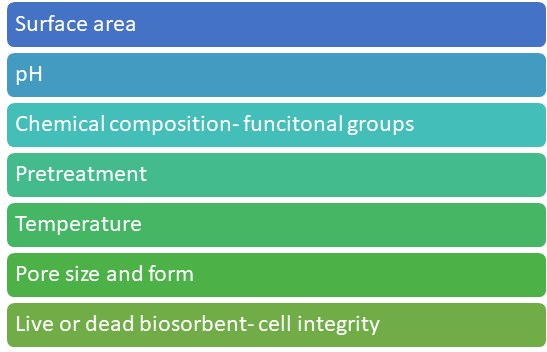
The properties of biosorbent materials may vary depending on their application and purpose. Since the choice of biosorbent directly determines adsorption efficiency, it must be carefully selected to suit the specific application. The chemical composition of the selected material—particularly its functional groups—as well as its surface area and pore structure, are critical to its performance. For example, functional groups such as phosphate, sulfate, amide, and carboxyl significantly alter the functionality of biosorption.
The effectiveness of a biosorbent may vary depending on reaction conditions and the processes involved. One of the environmental conditions affecting biosorption is the pH of the aqueous solution, as it influences the charge of the functional groups on the biosorbent surface and, consequently, the biosorption process. According to research, a pH range of 7.0–8.0 is optimal for metal biosorption. Additionally, it is known that a pH range of 2.0–4.0 is more suitable for the adsorption of certain anionic species (such as arsenic and chromium). In addition, the cellular integrity of the biosorbent—that is, whether the biological material (biomass) is living or dead—is another factor affecting biosorption; in some cases, living materials can provide more effective biosorption due to their metabolic activities.
ADSORPTION IN BIOMEDICAL ENGINEERING APPLICATIONS:
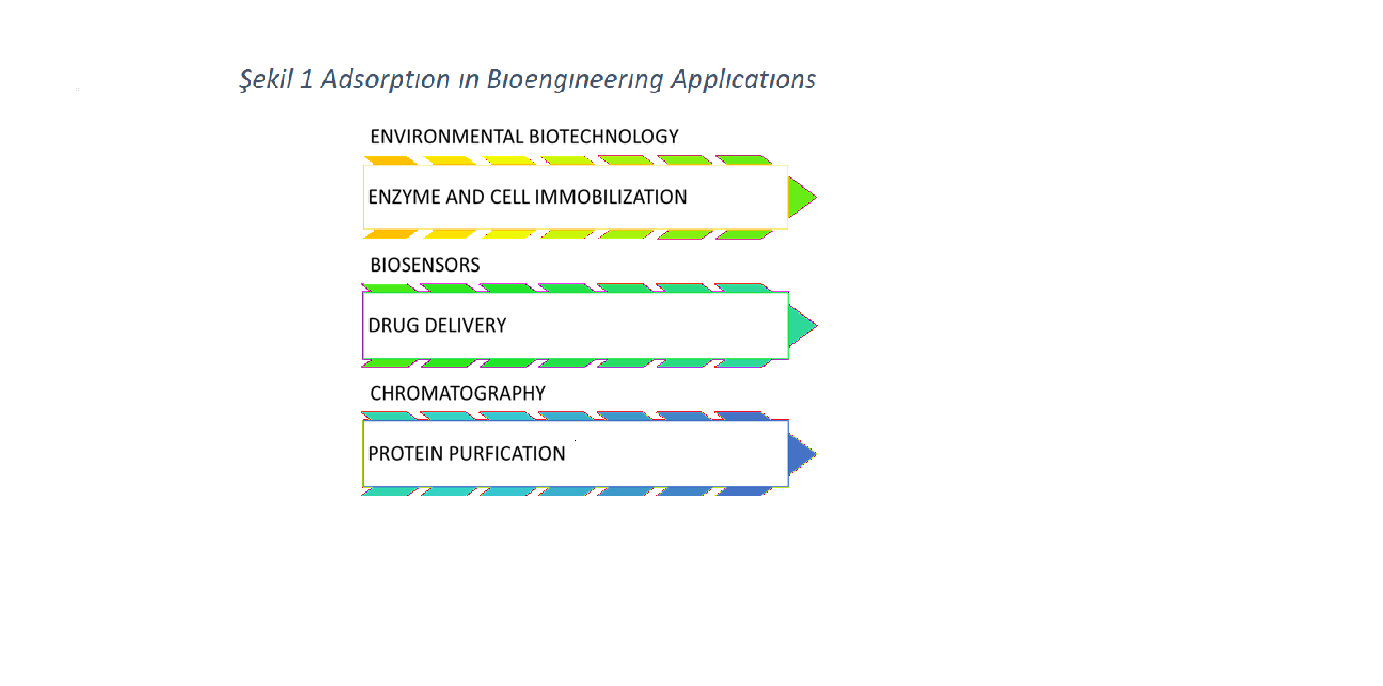
In bioengineering, these processes are utilized across a wide range of disciplines—from drug delivery systems to wastewater treatment, biomaterials, and tissue engineering—to develop new strategies for addressing various challenges.
For example, in a recent study, scientists conducted research on a type of pancreatic cancer known as metastatic pancreatic ductal adenocarcinoma (PDAC), which has few treatment options and is therefore fatal. Using the developed adsorption filters, disease-associated microvesicles and certain proteins—namely C1QA, C1QB, and C1QC—were selectively removed from blood samples taken from seven patients suffering from this form of pancreatic cancer.
They then compared the samples before and after filtration. As the authors noted, in this study—which requires further clinical research—proteomic and microparticle analyses revealed that the ExThera Seraph100™ adsorption filters reduced microparticles of approximately 200 nm and larger.
The role of adsorption filters here is;
In short, the role of the adsorption process here is to bind proteins and microvesicles—substances associated with cancer found in patients’ blood—to the filter surface, thereby removing them from the blood. The adsorption filter used in this study is a specialized filter designed to achieve more effective adsorption by being modified with heparin.
In another study, researchers developed an effective, sustainable, and sensitive modified nanocomposite electrochemical sensor for the detection of Pizotifen—commonly abbreviated as PZT and typically used in the treatment of migraine—in human plasma or pharmaceutical formulations.
The determination of PZT is important because this drug affects the central nervous system, and it is necessary to ensure its efficacy and safety from a pharmaceutical standpoint. The methodologies available for determining this drug are limited, and they have environmentally unfriendly drawbacks, such as the use of toxic organic solvents and the need for complex pretreatment steps.
At this point, scientists used a voltometric method for the first time to perform a more sensitive and effective PZT determination. To this end, they developed ZnO-NPs/MWCNT/CPE, a hybrid electrochemical sensing system.
The characteristics of sensor components with these abbreviations and their roles in PZT determination are briefly as follows:
MWCNTs, on the other hand, is the abbreviation for multi-walled carbon nanotubes. These nanotubes exhibit high electrical conductivity. Their most important feature is that they possess a conjugated carbon framework that allows them to bind to aromatic molecules and form very strong interactions with them. These aromatic interactions enable the effective and rapid adsorption of the target PZT.
CPE; also known as carbon paste electrodes. These electrodes are preferred because they offer good surface properties and a large surface area. In addition, it is possible to modify these electrodes to improve the performance of certain analytical properties. In this study, CPEs were modified with zinc oxide nanomaterials to achieve more effective adsorption. ZnO-NPs are important because they contain a large number of catalytically active sites, which facilitate the adsorption of the target analyte onto the surface. This hybrid electrode effectively facilitated electron transfer.
In conclusion, in this study, the researchers developed a highly effective hybrid electrochemical sensor for the sensitive, sustainable, eco-friendly, and rapid volumetric analysis of electrically active PZT, even at low concentrations. The sensor’s performance and other characteristics were demonstrated through characterization analyses.
The role of adsorption in this study: The components of the designed sensor facilitate the adsorption of the functional groups of the PZT molecule onto the electrode surface through various surface interactions. This adsorption increases the sensor’s sensitivity, amplifies the electrochemical signal, and facilitates the detection of the PZT analyte.
As can be seen from the research, bioengineers can modify the adsorption materials or adsorbates they use—such as adsorption filters—with various substances to achieve more effective adsorption for various purposes.
ABSORPTION IN BIOMEDICAL ENGINEERING APPLICATIONS
Absorption in Tissue Engineering:
Tissue engineering aims to repair and regenerate damaged tissues and accelerate their natural healing mechanisms. Its goals also include improving the quality of life for patients with organ failure and providing an alternative to organ transplantation.
To achieve this, it facilitates tissue regeneration by designing materials suitable for damaged tissue or by utilizing existing materials. It combines the nature of tissue with the wound healing process using engineering principles. Tissue engineering involves the implantation of structures such as scaffolds and hydrogels—loaded with components that promote tissue regeneration—using various biocompatible and biodegradable materials, whether naturally occurring or synthetically produced, to repair damaged tissue.
scaffolds
For damaged tissues to heal, cells in the tissue must settle into the voids of structures called scaffolds. Growth factors, water, and various nutrients enter—or are absorbed into—the scaffold to enable the cell to survive and develop. Over time, these substances absorbed into the scaffold provide the cell with a microenvironment that supports new tissue formation and regeneration.
Hydrogels are three-dimensional cross-linked polymer networks. They incorporate liquids into their structure by absorbing them. Because hydrogels contain a large number of hydrophilic groups, they absorb water particularly well. They swell when they absorb water. The ability of hydrogels to absorb water and other substances is one of the best examples of absorption in tissue engineering.
They are soft, flexible, and highly porous; these characteristics make them similar to living tissues, thereby providing excellent biocompatibility in tissue engineering. They provide cells with the microenvironment they need to survive.
Depending on their source, hydrogels can be classified as synthetic, semi-synthetic, or natural. Examples of hydrogels derived from natural sources include chitosan, collagen, agarose, fibrin, hyaluronic acid, and gelatin.
Synthetic hydrogels, on the other hand, are derived from polymers entirely produced by human intervention. For example, synthetic hydrogels are obtained by subjecting monomers such as polyacrylamide, polyethylene glycol, and polyacrylic acid to polymerization reactions.
Semi-synthetic hydrogels are obtained by chemically modifying polymers derived from natural sources. For instance, the hydrogel known as AcHyA is produced by modifying hyaluronic acid with acrylate.
In tissue engineering, hydrogels and scaffolds can be modified by biomedical engineers using emerging technologies to enhance their biocompatibility with tissue, increase their durability, or improve their ability to absorb substances, thereby transforming them into more effective biomaterials.
REFERENCES:
ADSORPTION AND ABSORPTION:
(2026,June). What is the difference between absorption and adsorption. www.cotes.com. https://www.cotes.com/faq/what-is-the-difference-between-absorption-and-adsorption
Cussler, E. L. (2009). Diffusion: mass transfer in fluid systems. Cambridge university press.
Fomina, M., & Gadd, G. M. (2014). Biosorption: current perspectives on concept, definition and application. Bioresource technology, 160, 3-14.
Ruthven, D. M. (1984). Principles of adsorption and adsorption processes. John Wiley & Sons.
ADSORPTION AND DESORPTION IN CHROMATOGRAPHY:
Premnath, S. M., & Zubair, M. (2024). Chromatography. StatPearls.
PHYSICAL, CHEMICAL, AND BIOLOGICAL ADSORPTION:
Allangawi, A., Alzaimoor, E. F., Shanaah, H. H., Mohammed, H. A., Saqer, H., El-Fattah, A. A., & Kamel, A. H. (2023). Carbon capture materials in post-combustion: adsorption and absorption-based processes. C, 9(1), 17.
Fomina, M., & Gadd, G. M. (2014). Biosorption: current perspectives on concept, definition and application. Bioresource technology, 160, 3-14.
Sieber, A., Spiess, S., Rassy, W. Y., Schild, D., Rieß, T., Singh, S., ... & Guebitz, G. M. (2025). Fundamentals of bio-based technologies for selective metal recovery from bio-leachates and liquid waste streams. Frontiers in Bioengineering and Biotechnology, 12, 1528992.
ADSORPTION IN BIOMEDICAL ENGINEERING APPLICATIONS:
Waldron, R. T., Wang, R., Shishido, S. N., Lugea, A., Ibrahim, A. G., Mason, J., ... & Pandol, S. J. (2025). Selective removal of proteins and microvesicles ex vivo from blood of pancreatic cancer patients using bioengineered adsorption filters. Cancer Letters, 614, 217546.
Abbas, A. E. F., Al-Khateeb, L. A., Tantawy, M. A., & Elyan, S. S. (2026). A nanocomposite electrochemical sensor for the first adsorption-controlled voltammetric sensing of pizotifen in pharmaceutical and biological matrices. Microchemical Journal, 117802.
ABSORPTION IN BIOMEDICAL ENGINEERING APPLICATIONS:
Eldeeb, A. E., Salah, S., & Elkasabgy, N. A. (2022). Biomaterials for tissue engineering applications and current updates in the field: a comprehensive review. Aaps Pharmscitech, 23(7), 267.
Ho, T. C., Chang, C. C., Chan, H. P., Chung, T. W., Shu, C. W., Chuang, K. P., ... & Tyan, Y. C. (2022). Hydrogels: properties and applications in biomedicine. Molecules, 27(9), 2902.